Prestige Society Pins and Medals: Crafting Identity for Elite Organizations
Inhaltsverzeichnis


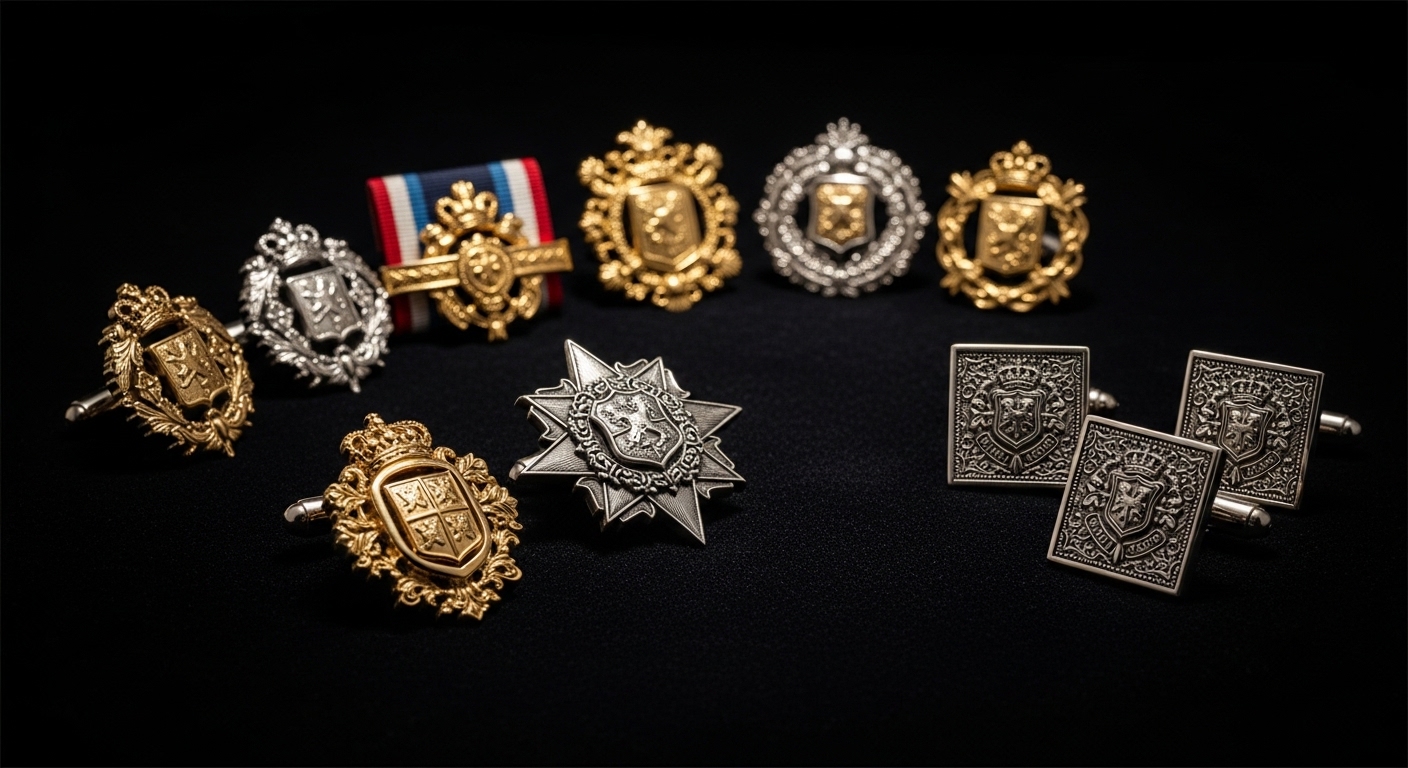
Within elite circles — Ivy League alumni associations, private member clubs, and professional honor societies — identity is never accidental. It is carefully cultivated through visual symbols that carry decades, sometimes centuries, of tradition. A meticulously crafted pin or medal does more than identify a member; it announces belonging to a lineage of excellence.
At Maxemblem, we transcend conventional manufacturing. We act as guardians of organizational heritage, transforming heritage crests, mottos, and insignias into tangible emblems of prestige. With 20 years of experience serving discerning clients worldwide, we offer more than production — we offer historical continuity, from initial design consultation to final polished piece.
Why Do Top Associations Prefer Custom Membership Recognition Pieces?
Exclusive organizations understand that recognition is psychological, not just ceremonial. A well-designed membership recognition medal or lapel pin serves as daily reinforcement of shared values and rare achievement.
The Psychology of Belonging & Exclusivity
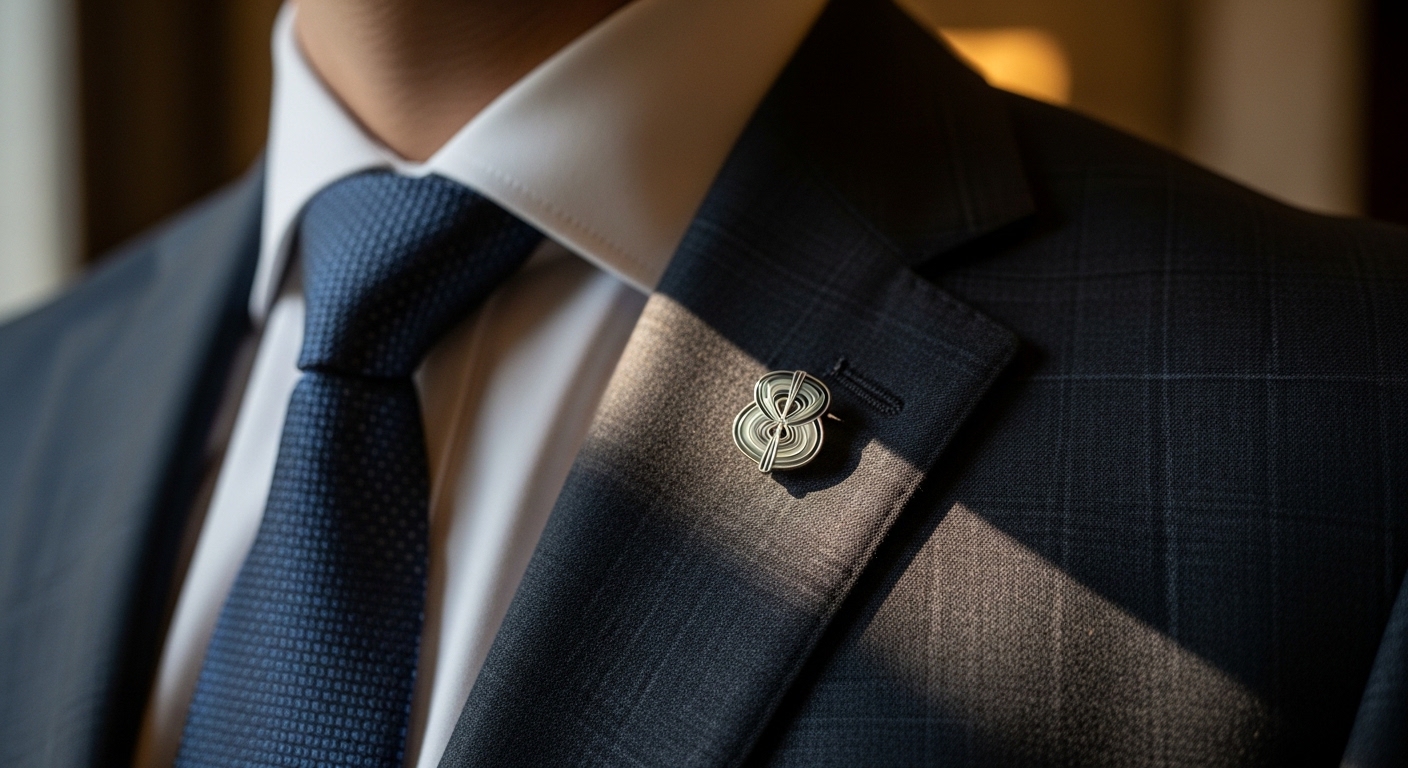
Sociological research on group dynamics shows that tangible symbols of membership — pins, medals, insignia — increase both loyalty and advocacy. When a member wears an exclusive club insignia, they become a walking ambassador. For the wearer, the object triggers a sense of earned privilege. For observers, it signals “this person belongs to a select circle.” Elite associations leverage this dual effect to strengthen internal cohesion and external prestige. Maxemblem has helped global professional bodies recreate century‑old insignias with exacting detail, respecting every heraldic rule and color code. Our work preserves tradition while ensuring each piece meets modern durability standards.
Why Heritage Quality Matters for Long‑Term Value
Members of high‑status organizations often keep their pins and medals for life — passing them to family or displaying them in home offices. Low‑quality items tarnish, lose enamel, or feel lightweight, undermining the organization’s image. That’s why we emphasize heritage quality:die‑struck brass cores, fired hard enamel (not epoxy), and substantial weight (12–15 grams for a standard 1.5” pin). For associations celebrating centennials or major anniversaries, we recommend minting coins with 50+ tons of pressure — the same process used for official currency. The result is a piece that feels as significant as the institution it represents.
Recommended Custom Solutions to Elevate Organizational Prestige
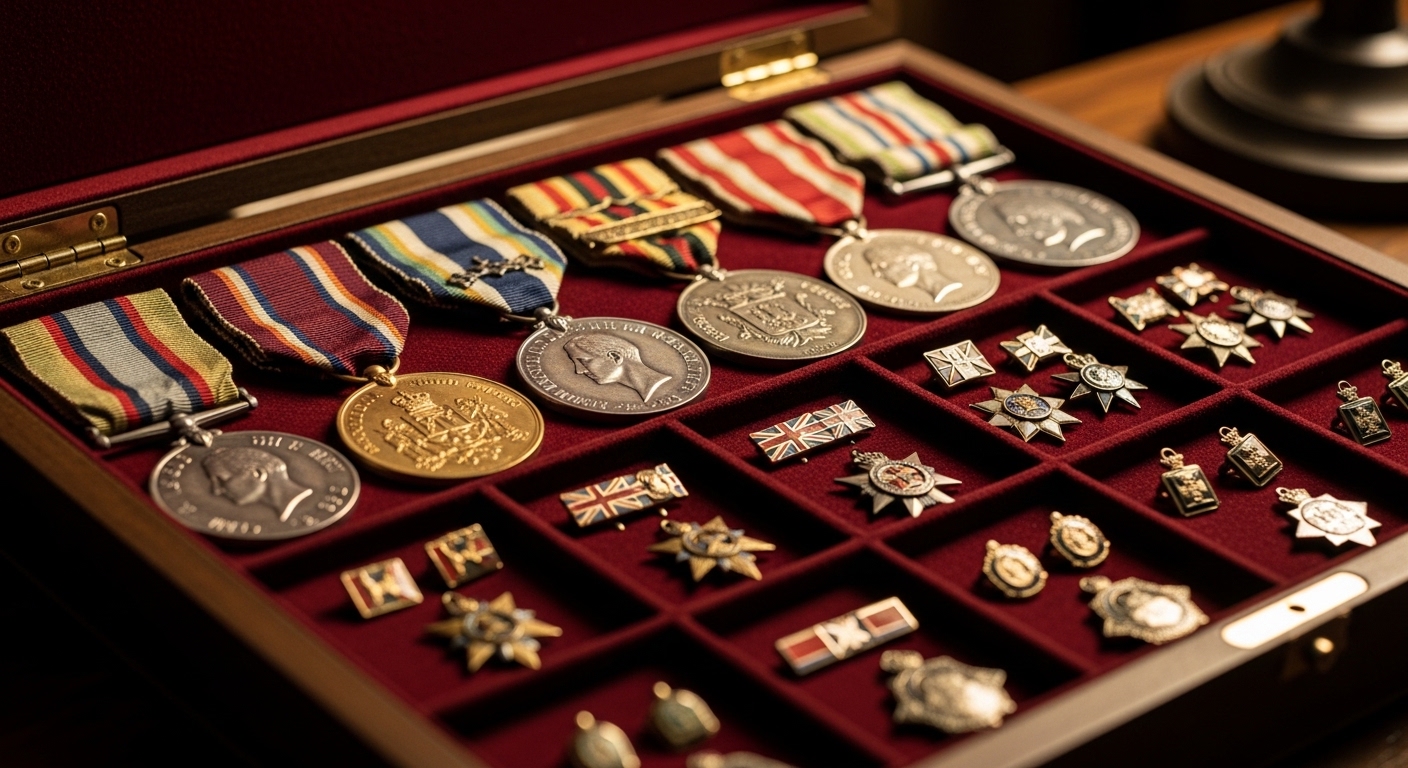
Different contexts demand different forms of identification. Below we present three premium options, each aligned with specific membership touchpoints — from daily business wear to formal galas and annual awards.
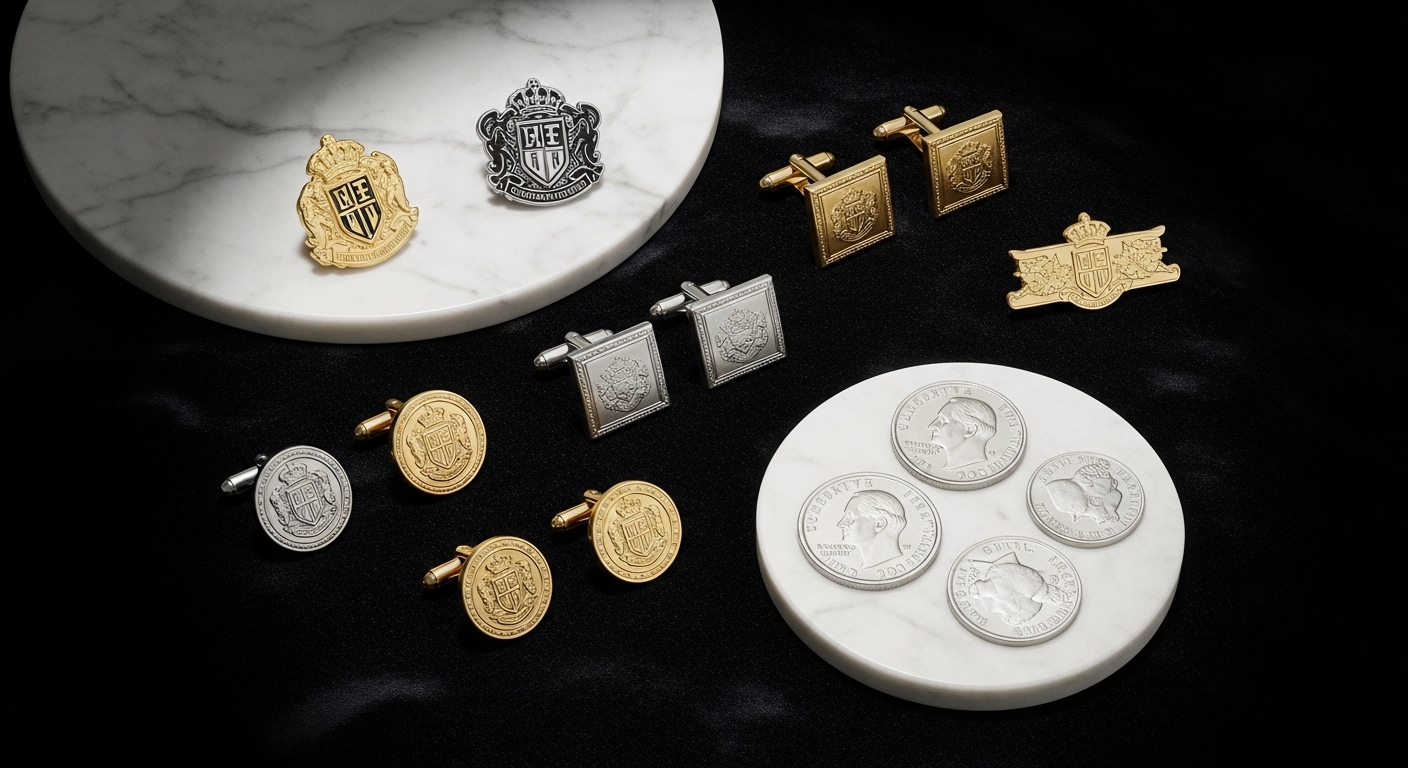
Hard Enamel Pins: The Daily Badge of Distinction
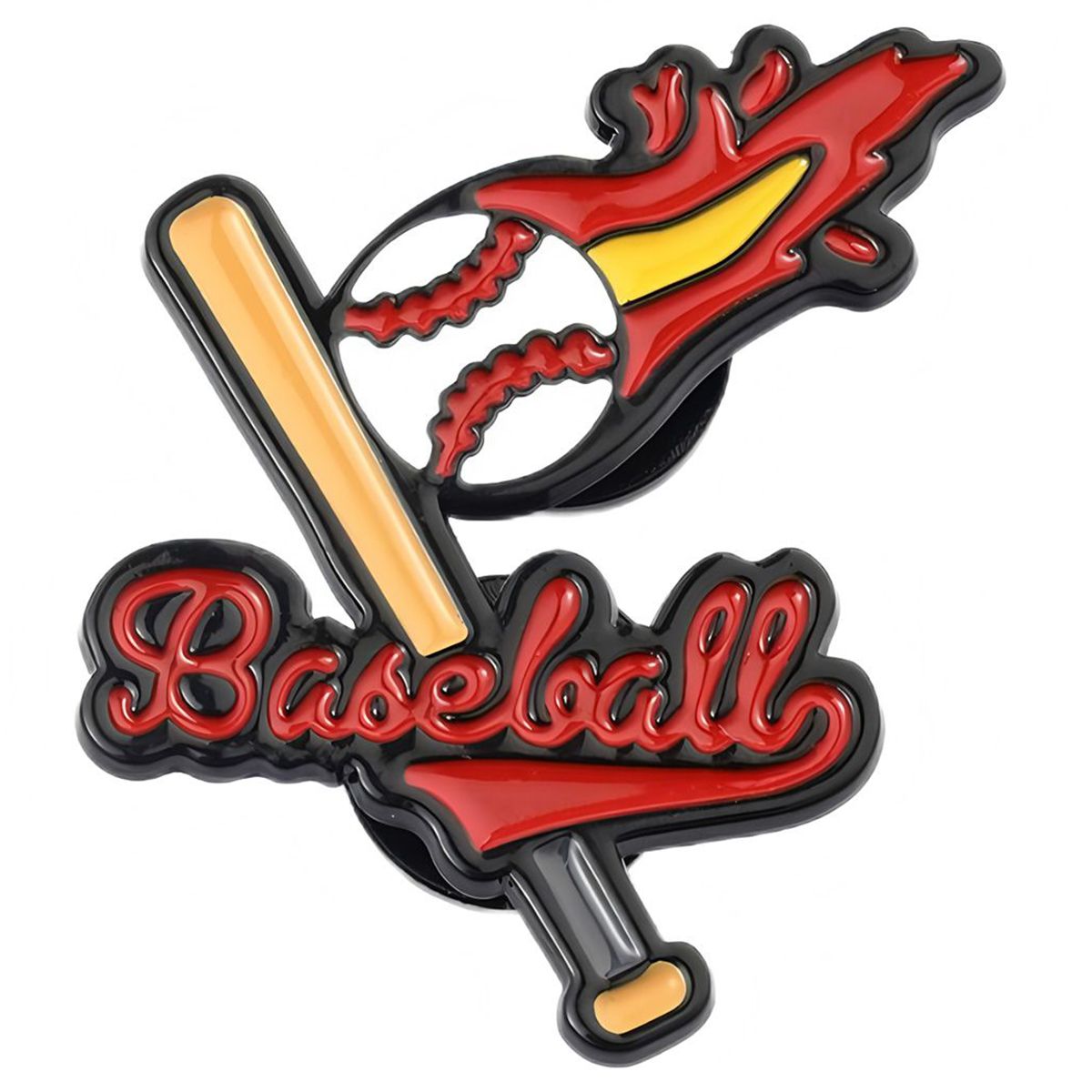
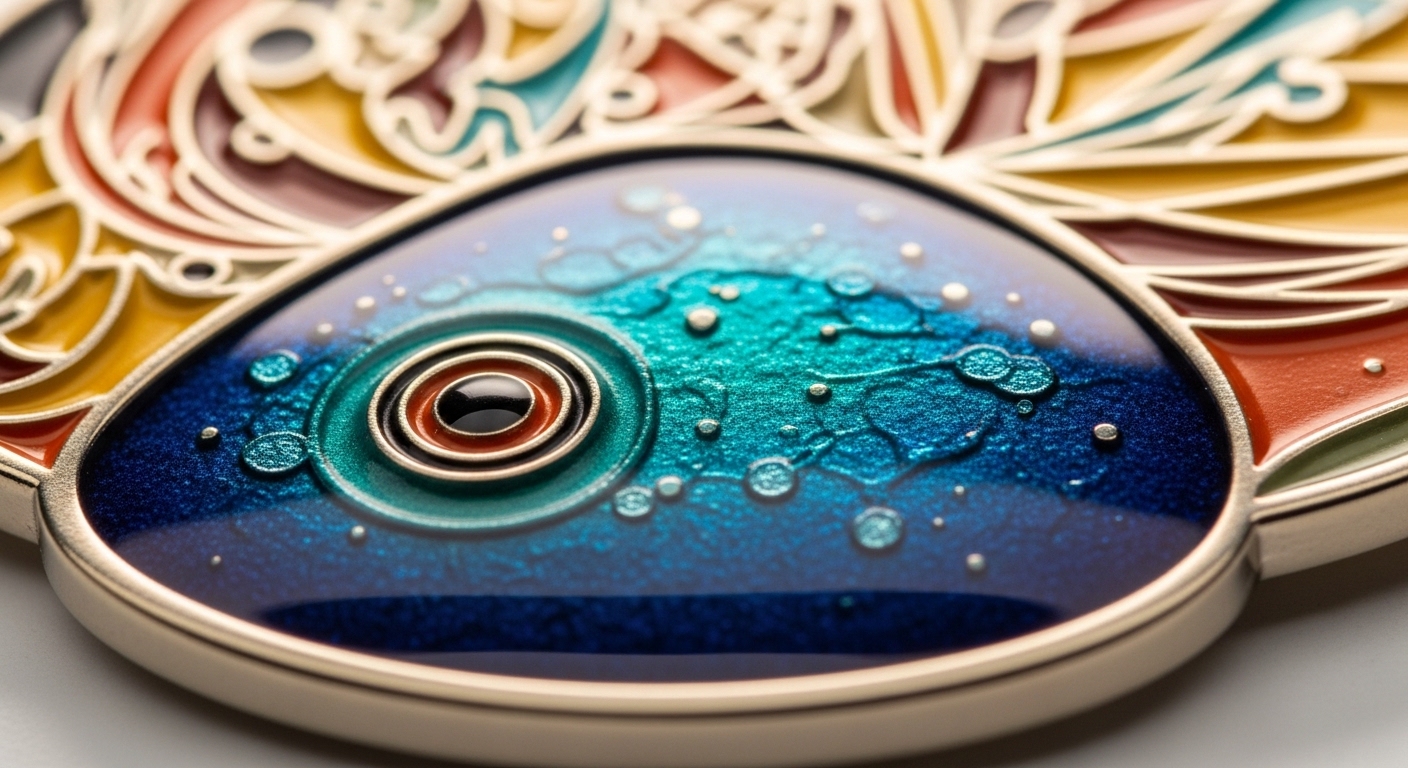
For business meetings, networking events, or casual club gatherings, hard enamel pins offer a polished, glass‑smooth surface that resists scratches and holds vibrant color. Unlike soft enamel (which has a textured, recessed feel), hard enamel is ground flat after firing, creating a durable, jewel‑like finish. This process best suits intricate logos, multi‑color crests, and text‑heavy designs. Members will wear these pins on suit lapels, lanyards, or bags for years without fading. At Maxemblem, we use kiln‑firing at approximately 800°C to ensure each color zone bonds permanently with the metal base. The result is a pin that projects quiet confidence — exactly what high‑net‑worth members expect.
Engraved & 3D Cufflinks: Discreet Elegance for Formal Occasions
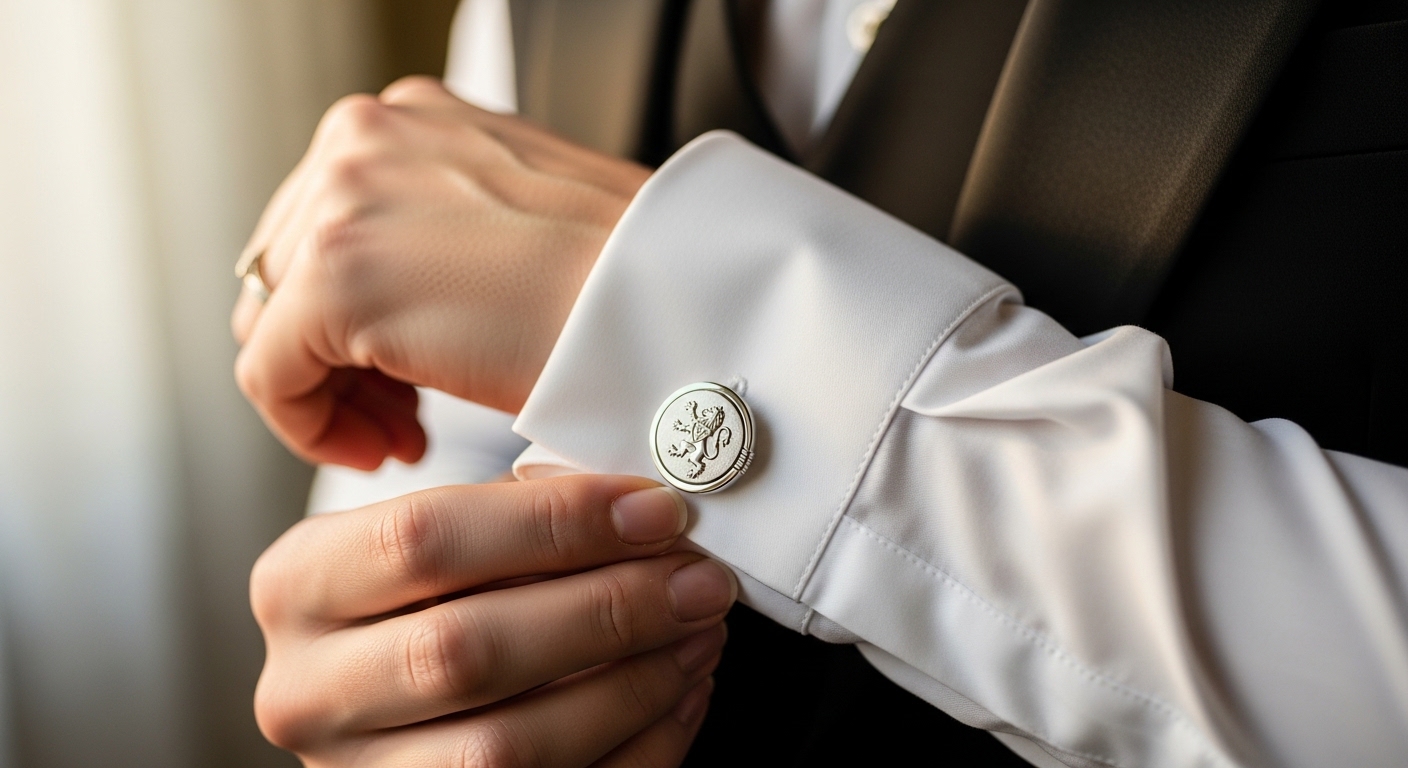
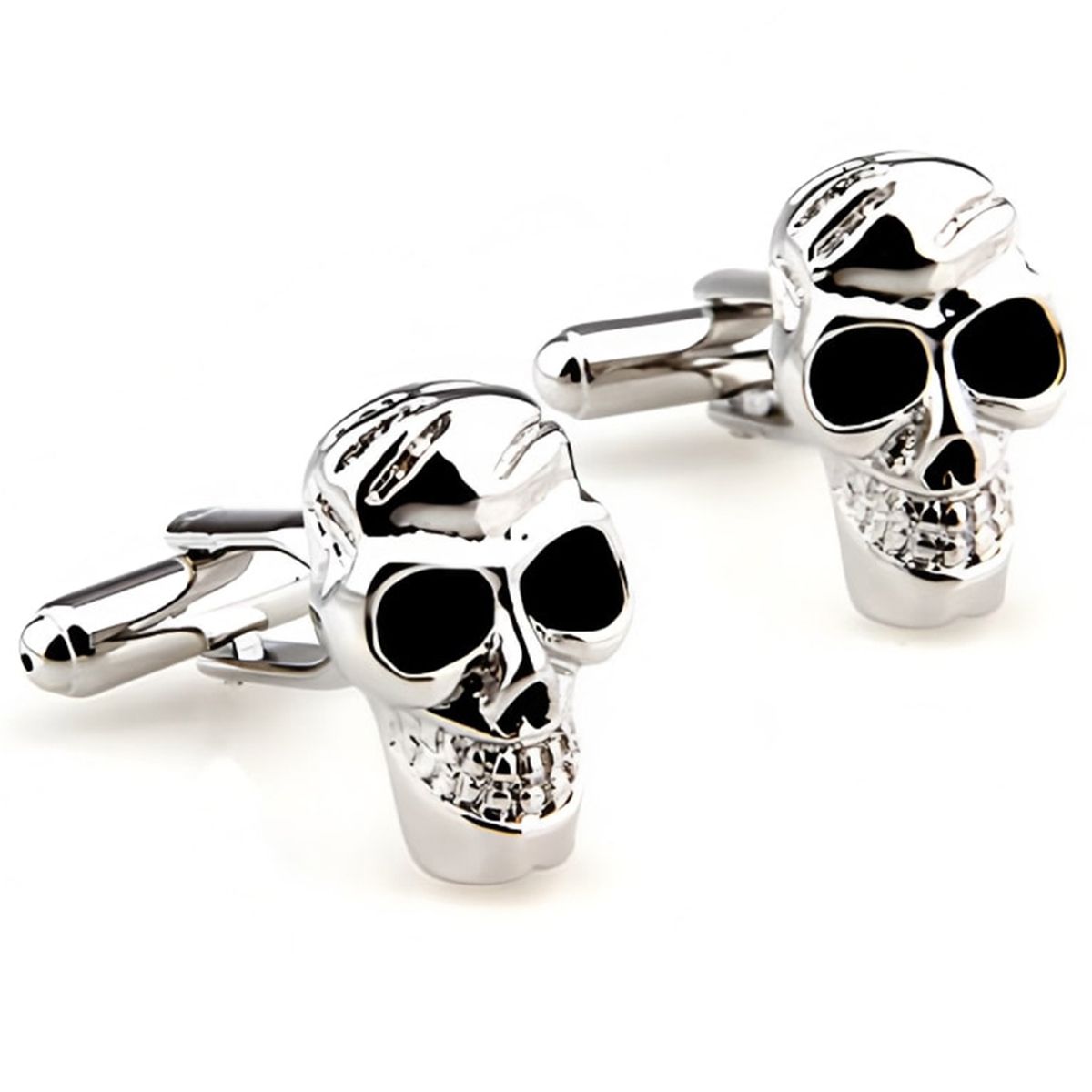
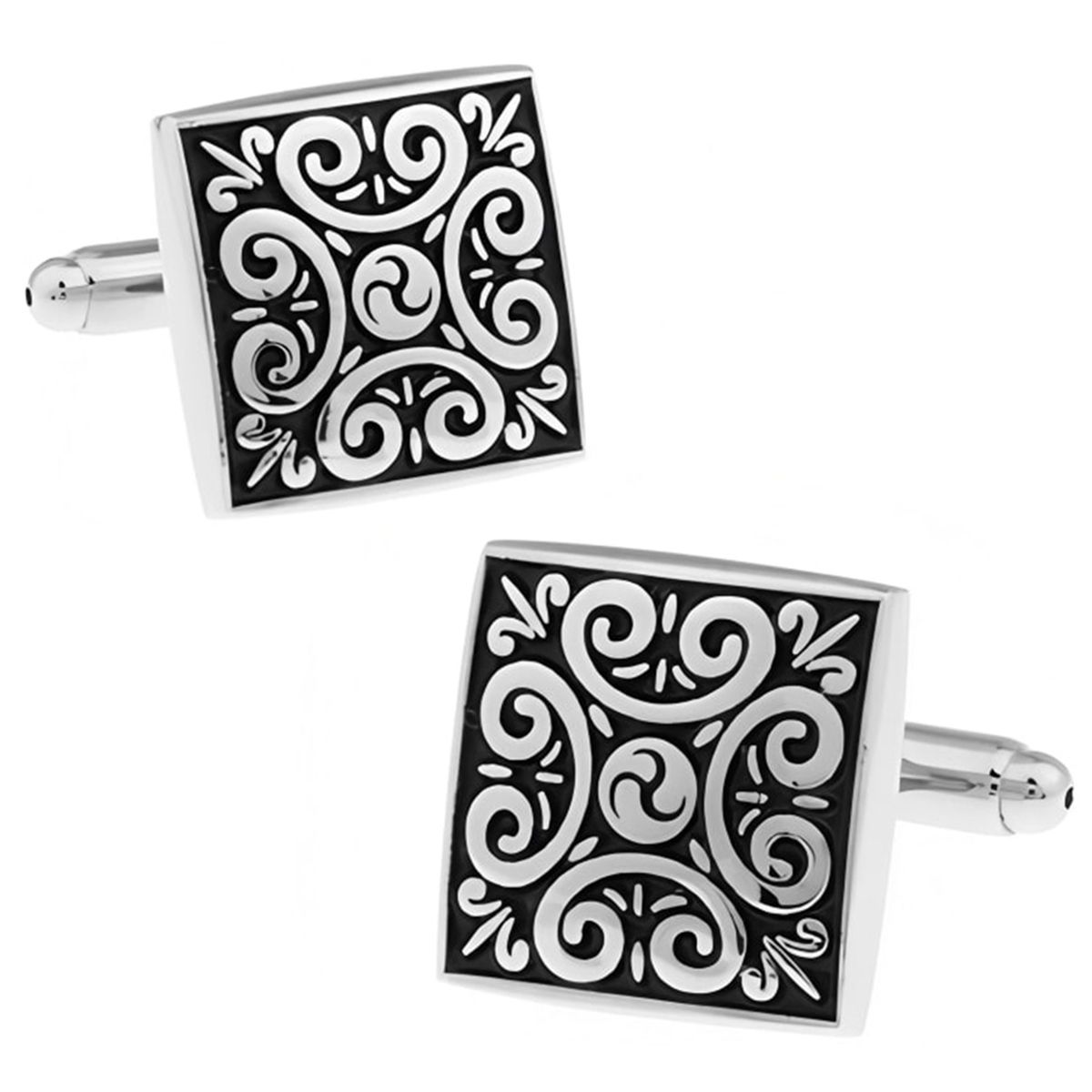
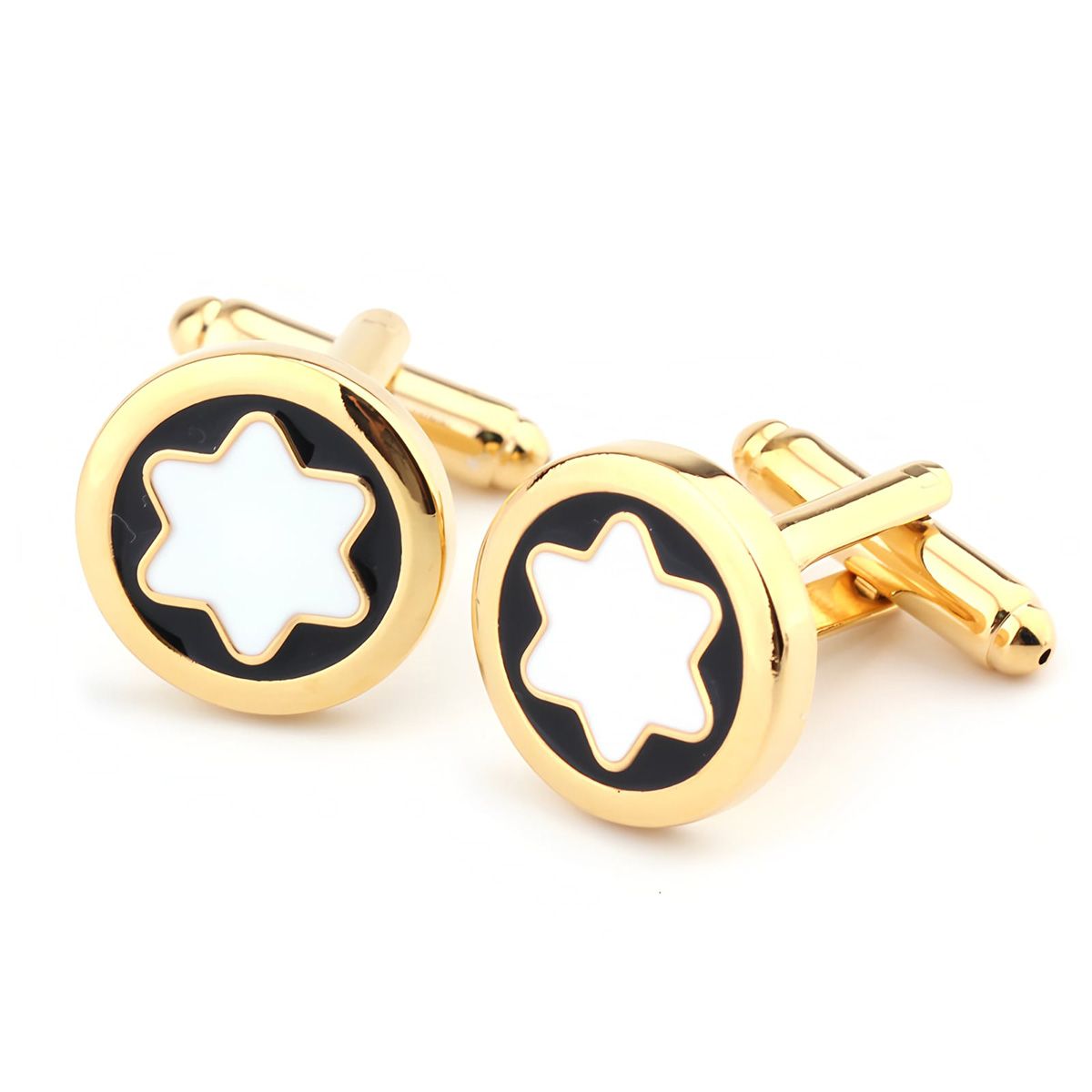
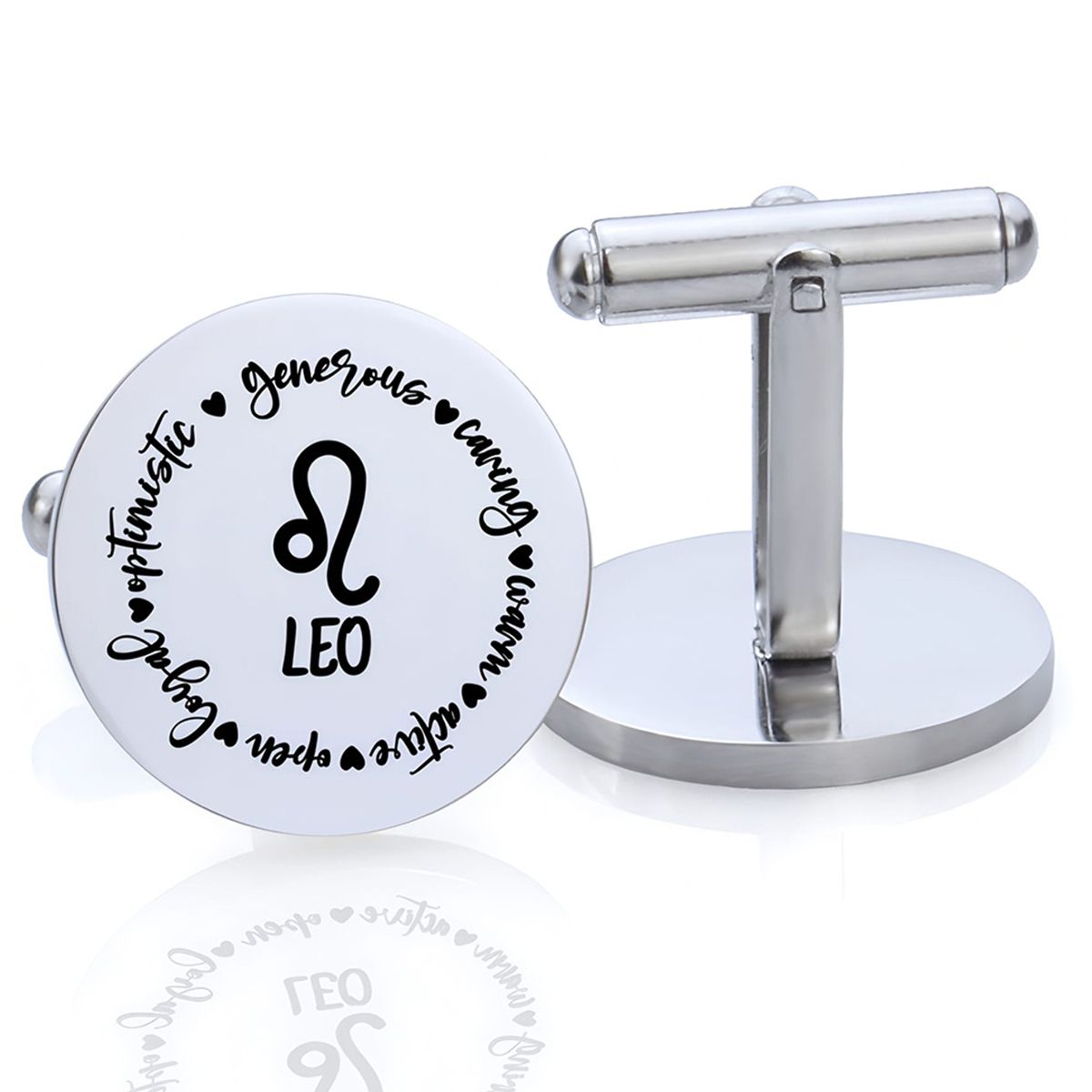
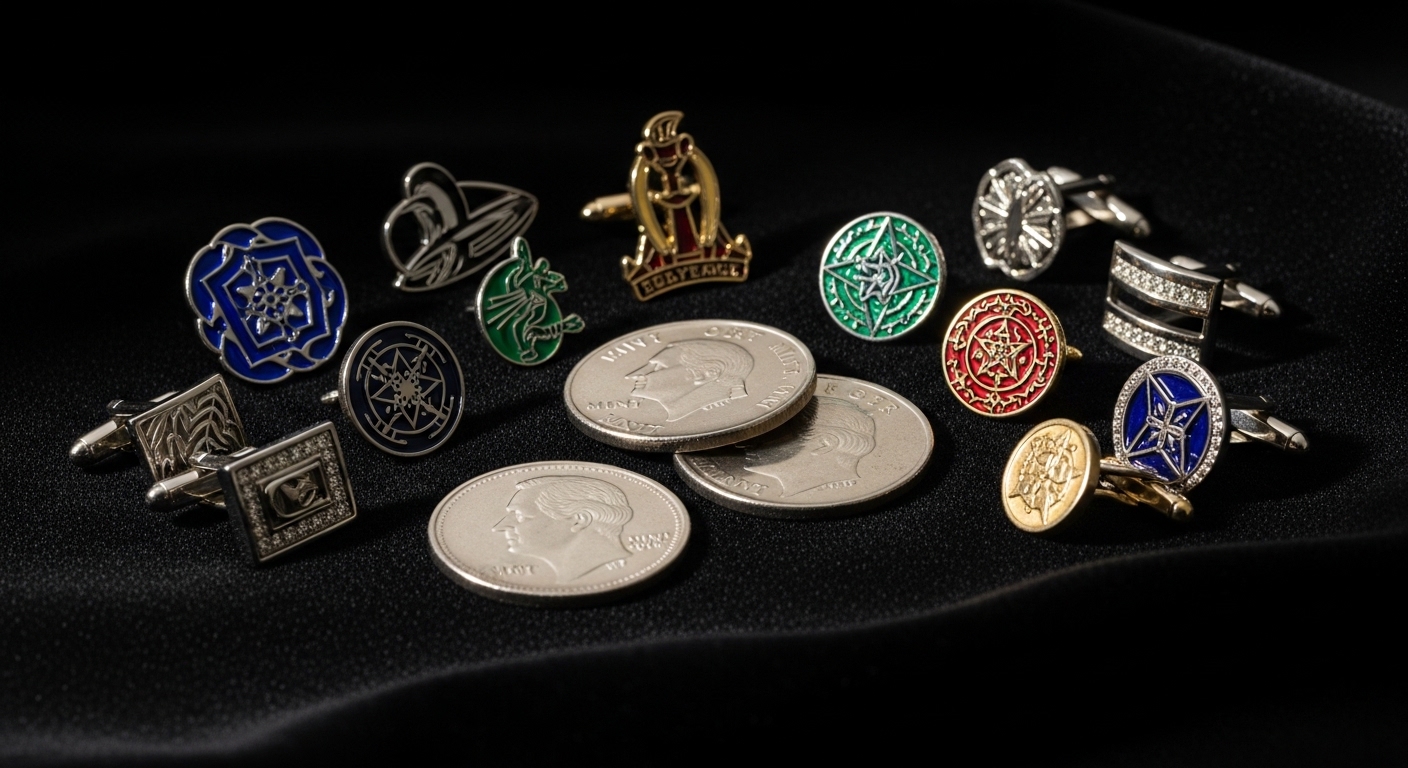
During annual galas, award dinners, or black‑tie fundraisers, cufflinks offer a subtle yet unmistakable sign of affiliation. Our engraved cufflinks allow for personalized member initials or graduation years, while 3D cufflinks use deep relief to recreate your organization’s emblem in sculptural detail. Both options are available in precious metal platings (sterling silver, 18K gold, or platinum finish). For maximum sophistication, we recommend a two‑tone design: a gold crest against a black nickel background. These pieces are not merely accessories; they become family heirlooms, passed down through generations of members. We also offer bespoke presentation boxes lined with velvet or silk to reinforce the ceremonial feeling when presented to new inductees.
Mint Coins: Commemorating Outstanding Contributions
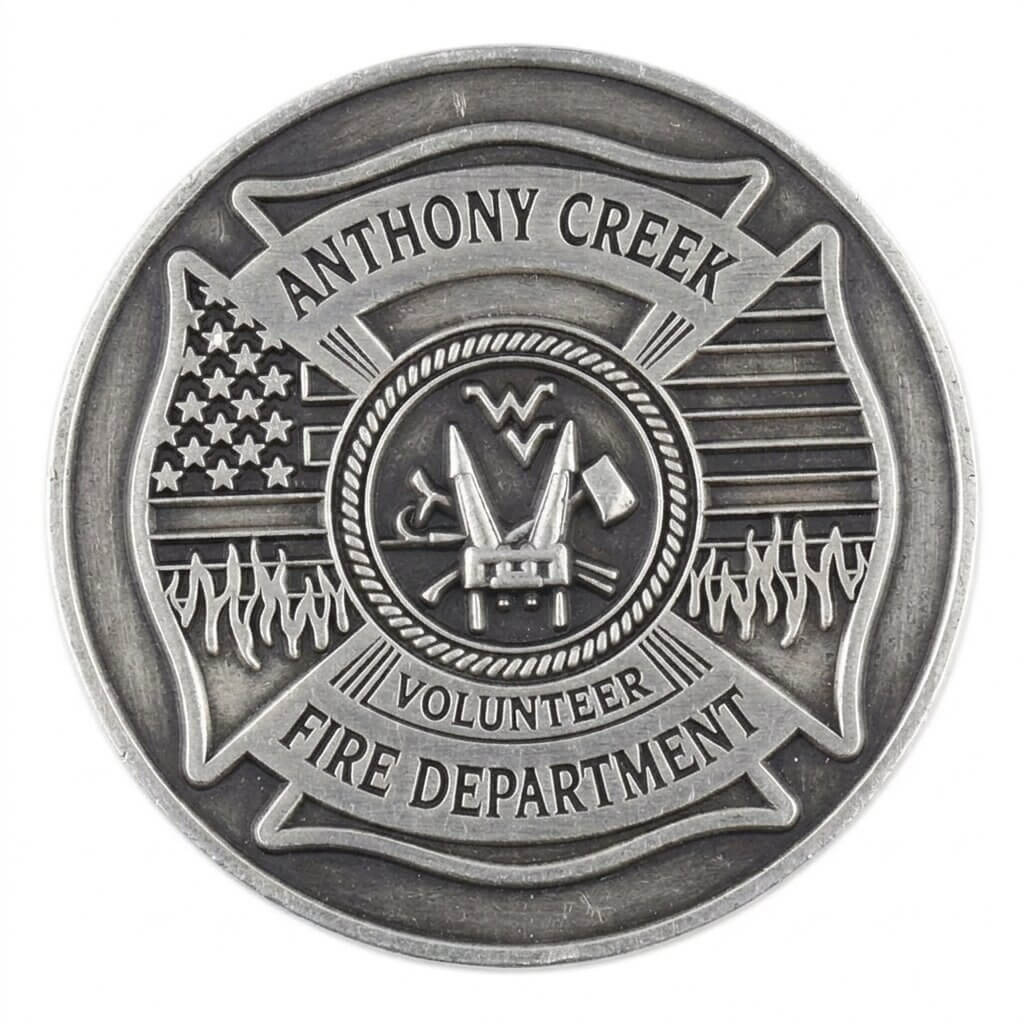
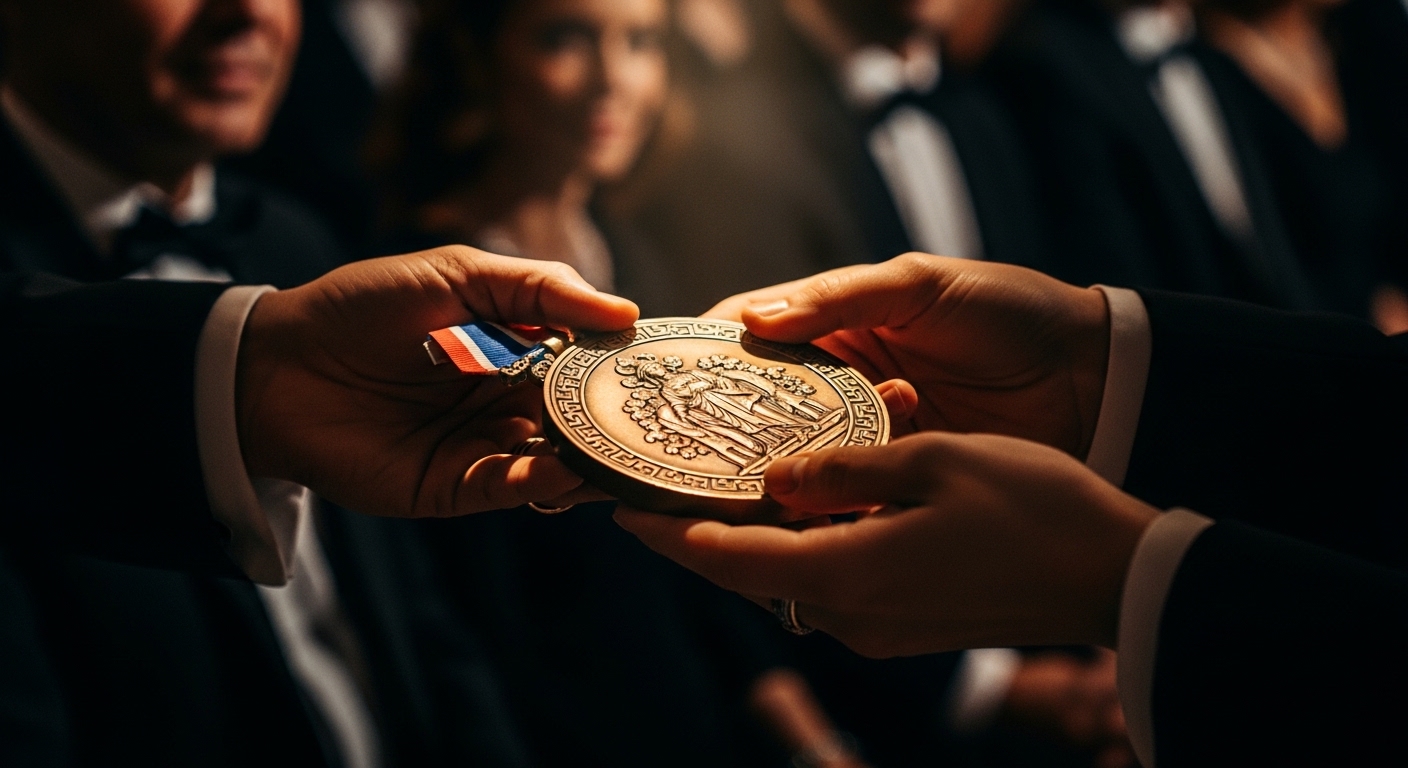
For lifetime achievement awards, distinguished service medals, or annual “Member of the Year” honors, mint coins provide numismatic gravitas. Produced under high pressure (50‑70 tons) with polished dies, these coins have sharp relief and mirror‑like fields. The absence of enamel gives them a classic, authoritative look — ideal for law societies, medical academies, or engineering institutes. Many clients choose to add edge lettering (e.g., “SERVICE · INTEGRITY · EXCELLENCE”) and sequential numbering to create a limited edition series. Maxemblem’s minting process ensures each coin meets or exceeds the weight and diameter specifications of official commemoratives, giving recipients a tangible sense of achievement that they will proudly display for decades.
How to Avoid Low‑Quality Suppliers: 3 Critical Factors for Premium Products
Not all custom manufacturers understand the nuance of heraldry, metal finishing, or elite client expectations. Use these three filters when evaluating potential partners for your society’s identity pieces.
Design Accuracy: Protecting Your Insignia’s Integrity
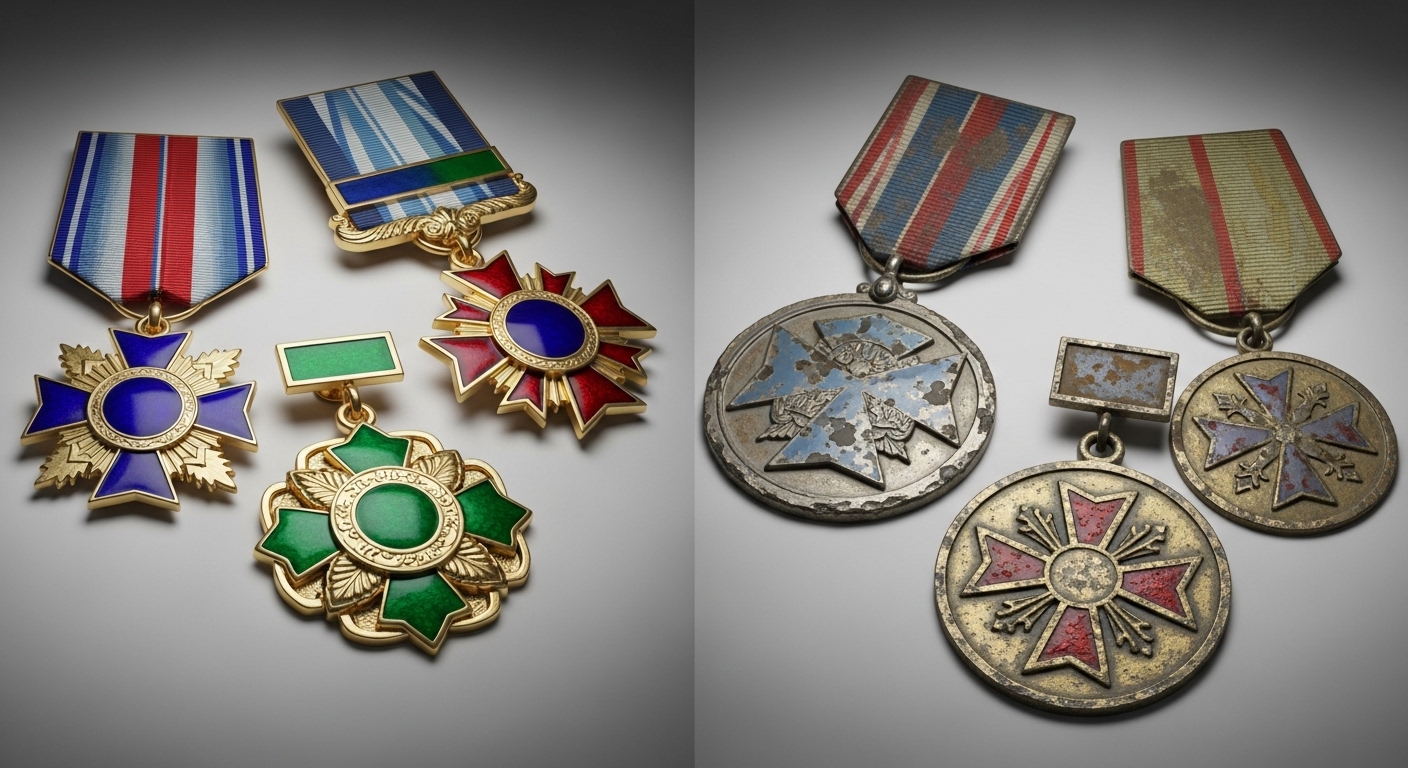
Your organization’s crest, seal, or logo likely has specific rules: exact pantone colors, correct orientation of elements, and proper proportions. Low‑quality suppliers often simplify or distort these details to save tooling costs. At Maxemblem, we work from vector files and heraldic descriptions, cross‑referencing historical archives when needed. For a recent project with a vintage automobile club, we recreated a 1920s badge using period photographs and original die‑struck samples. The final pins matched the archive piece to within 0.2mm. We encourage clients to request a pre‑production sample (physical or high‑resolution 3D render) before full manufacturing — a step that many discount suppliers avoid.
Material Durability: The Bronze & Enamel Advantage
Cheap pins use iron or zinc alloy with painted epoxy — these fade, scratch, and corrode within a few years. For heritage quality, we specify brass or bronze cores, followed by multiple layers of electroplating (copper, nickel, then final finish). Hard enamel, when kiln‑fired, becomes a glass‑like ceramic that resists UV damage and chemical exposure. A well‑made brass‑and‑enamel pin from Maxemblem will still look distinguished after 30 years of occasional wear. For medals intended for display, we recommend a clear lacquer coating for additional protection against fingerprints and oxidation.
Reliable Delivery: Avoiding Last‑Minute Disappointment
Gala committees and induction ceremonies have immovable dates. A delayed shipment of 200 pins can ruin the experience for new members. Maxemblem’s production planning is built for predictability. For standard orders, we quote 12‑15 business days from art approval. Our rush service compresses that to 5‑7 business days for many designs, without lowering material standards. Over 90% of our expedited orders arrive within the promised window. We also offer split shipments — a small batch for the ceremony, followed by the remainder — ensuring you never present an empty box. Ask any potential supplier for their on‑time delivery rate; if they hesitate, consider that a red flag.

What First‑Time Buyers in Elite Organizations Must Know: Price, Size, Craftsmanship & Design
Even experienced administrators can be surprised by custom manufacturing nuances. This guide clarifies the four pillars that determine both cost and quality for prestige pins and medals.
1. Price Components: Beyond the Per‑Unit Quote
The final investment includes three parts: die (mold) fee, per‑unit production, and finishing options. The die fee is one‑time, typically ranging from $150 to $400 depending on size and complexity (3D relief costs more). For small orders (50‑200 pieces), this fee significantly impacts per‑unit price. For larger membership cohorts (500+), the cost per piece drops dramatically. Additional costs come from edge engraving, numbered editions, special platings (rose gold, black nickel), or custom presentation boxes. Always ask for an itemized quote that separates tooling from production.
2. Size & Its Impact on Perceived Value
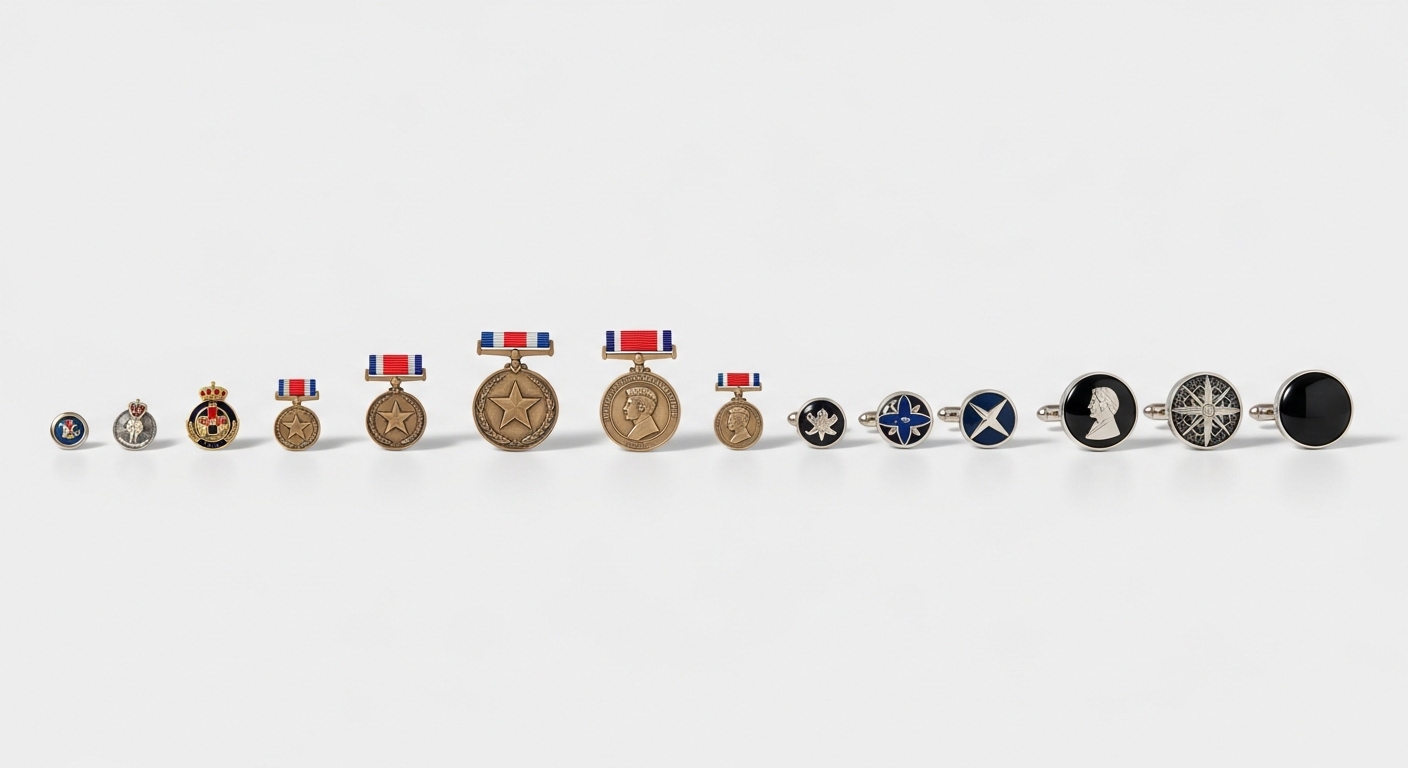
Lapel pins typically range from 0.75” to 1.25” — large enough to show detail but subtle enough for daily wear. Medals for annual awards are often 1.75” to 2.5”. Cufflinks follow standard dimensions (approximately 0.75” x 0.5” face). Larger pieces command attention but cost more in materials and shipping. For heraldic crests with intricate elements, we recommend at least 1” diameter for pins and 1.75” for medals to ensure legibility of text and separations between design zones.
3. Craftsmanship: Understanding Key Techniques
- Die‑struck (mint): High pressure, no enamel, pure metal relief. Best for classic, authoritative pieces.
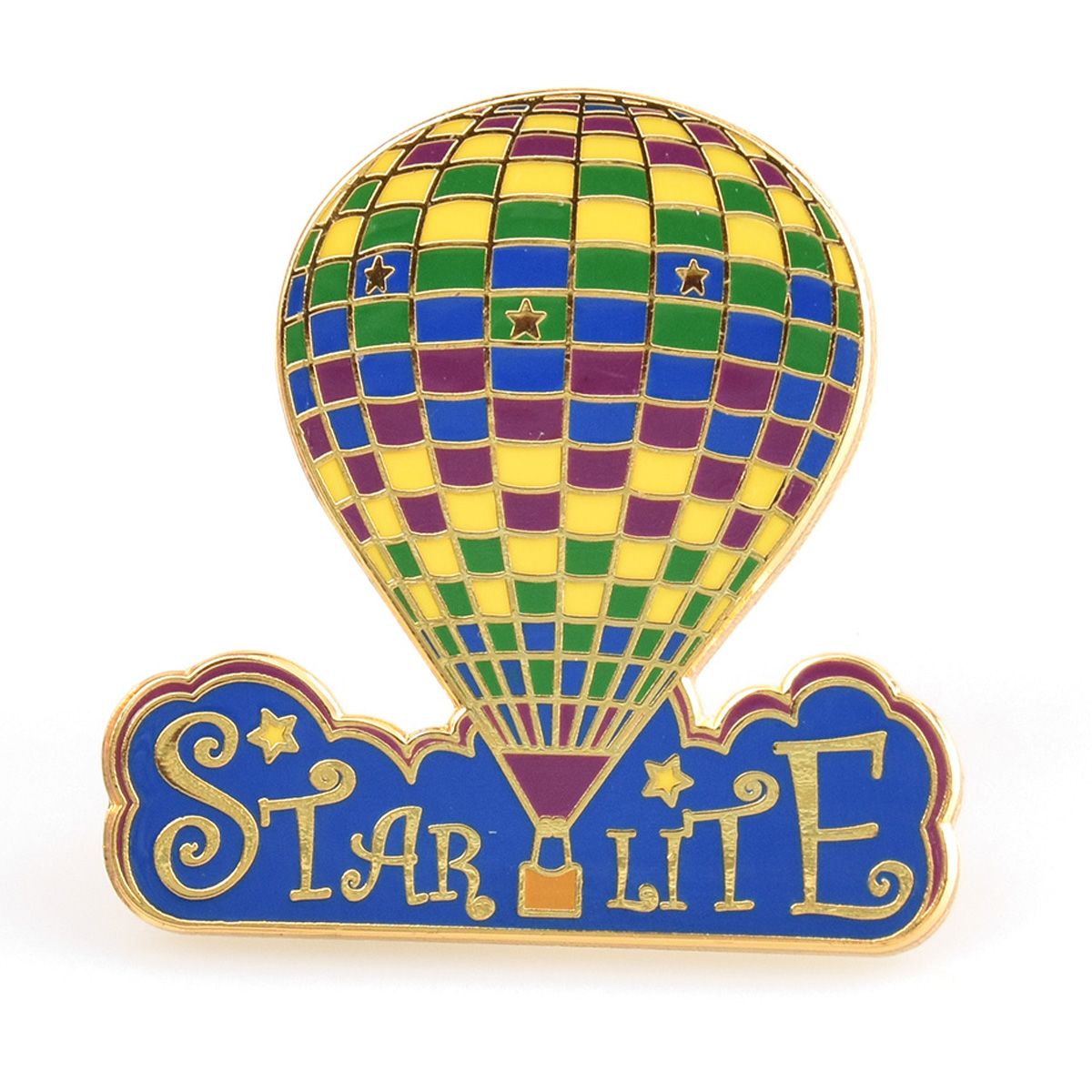
- Hard enamel: Kiln‑fired glass-like surface, polished flat. Durable, premium feel, ideal for daily‑wear pins.
- Soft enamel: Recessed color areas, textured feel. More affordable but less formal.
- 3D / high relief: Sculptural depth, often requires larger diameter.
Maximum visual impact for special awards.
We recommend hard enamel for prestige society pins and mint coins for lifetime achievement medals. Mixing techniques (e.g., die‑struck base with hard enamel accents) is also possible but adds tooling cost.
4. Design Complexity & Hidden Preparation Work
Converting a raster image or a faded century‑old drawing into a production‑ready vector file requires skill. Our design team rebuilds crests from scratch when necessary, ensuring sharp lines and correct color separation. Complexity factors include: number of colors, presence of fine text (under 4pt), undercuts (3D elements that hang over other parts), and cutout shapes (non‑circular medals). We provide a free design audit before quoting, so you understand any potential production challenges upfront.
Note on Mold Fees & Limited Quantities: Every custom design requires a new die (mold). For elite societies ordering small batches (50‑200 pieces for a new member cohort), the die fee will be noticeable per unit. We offer a “first order tooling credit” for recurring annual orders — ask about this option. Contact us for a transparent quote that separates one‑time setup from per‑piece pricing. We never hide fees or add surprise surcharges.
Case Study: Recreating a 1920s Insignia for a Private Members’ Club
A vintage automobile and aviation club approached us with a faded black‑and‑white photo of their original 1924 membership pin — the only surviving record. The design featured a winged wheel, period‑correct serif text, and a multi‑layered border. No vector file, no color references, and the original die had been lost decades ago.
Our team began by studying similar Art Deco era badges from museum archives. We digitally reconstructed the typography and used historical color guides to propose enamel shades (deep burgundy, gold, and navy). After three rounds of 3D renderings, we produced a die‑struck pin with hard enamel, faithfully replicating the original’s 1.25” diameter and substantial weight (14g). The club’s board approved the sample unanimously, and we delivered 500 pieces in time for their centennial gala. Members now wear the recreated insignia with pride — and several have commissioned custom cufflinks and tie bars using the same tooling. This project exemplifies Maxemblem’s ability to act as both historian and manufacturer, turning archival fragments into living traditions.
Quick Comparison: Which Format Best Suits Your Organization?
Format |
Best Use Case |
Durability |
Typical Lead Time |
Perceived Prestige |
|---|---|---|---|---|
Hard Enamel Pins |
Daily lapel wear, networking events |
Very high (scratch‑resistant) |
10–12 business days |
★★★★☆ (Elegant & modern) |
Die‑Struck Mint Coins |
Lifetime awards, annual honors |
Exceptional (solid metal) |
12–15 business days |
★★★★★ (Numismatic authority) |
3D / Engraved Cufflinks |
Galas, formal dinners, board meetings |
High (if plated properly) |
12–15 business days |
★★★★★ (Understated luxury) |
*Rush options available for all formats — contact us with your deadline for a feasibility check.
Ready to give your members a symbol they will treasure for a lifetime?
Identity begins with detail. For elite societies, private clubs, and honor organizations, every pin, medal, and cufflink carries the weight of tradition. Maxemblem partners with you to ensure that weight is worthy — from the first design sketch to the final polished piece. We don’t just manufacture; we preserve and elevate your legacy.
Häufig gestellte Fragen
-
Welche Ausführung wirkt besonders hochwertig?
Für Pins empfehlen wir Hard-Emaille mit Gold- oder Nickelbeschichtung. Für Medaillen sorgen geprägte Reliefs und Antik-Veredelungen für einen exklusiven Eindruck.
-
Können historische Elemente in das Design integriert werden?
Ja. Alte Logos, Gebäude, Jahreszahlen oder andere historische Motive können modern in Ihr Design eingearbeitet werden.
-
Können Sie auch sehr kurzfristige Projekte realisieren?
Ja. Mit unserem Express-Service sind viele Pins und Medaillen bereits innerhalb weniger Werktage lieferbar.
-
Bieten Sie passende Geschenkboxen oder Präsentationsetuis an?
Ja. Wir bieten Samtboxen, Geschenkverpackungen, Acrylständer und individuell bedruckte Präsentationsboxen an.